Driver Threatens Suicide in Frantic Call With Girlfriend Before Driving Off California Cliff
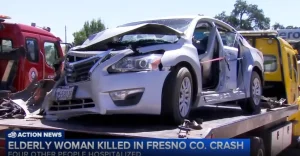
A disturbing incident in California has drawn attention after a driver reportedly threatened to take his own life during an emotional phone call with his girlfriend before ultimately driving his vehicle off a cliff.
The incident, reported by the New York Post, highlights the frightening intersection of an intense relationship dispute, a mental-health crisis and a dangerous decision behind the wheel. According to the report, the situation unfolded after an argument between the couple escalated, leaving the girlfriend increasingly concerned about the man’s state of mind.
What makes the case particularly unsettling is the sequence of events leading up to the crash. Rather than being an unexplained traffic accident, the circumstances reportedly suggested that the driver had communicated suicidal intentions shortly before the vehicle went over the edge.
The episode is a sobering reminder that statements about suicide should never automatically be dismissed as anger, manipulation or empty threats. When someone expresses an intention to die—particularly while operating a vehicle—the situation can become an immediate emergency.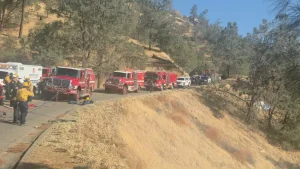
An argument that took a dangerous turn
Relationship disagreements can become emotionally overwhelming, especially when one or both people are already struggling with distress. But the situation described in this case went far beyond an ordinary argument.
According to reporting, the couple became involved in an intense dispute, after which the driver began making statements indicating that he intended to harm himself. His girlfriend was reportedly communicating with him as the situation deteriorated.
For someone on the other end of such a call, the experience can be terrifying. A loved one may be angry one moment and expressing hopelessness the next. The person listening may desperately try to determine whether the threat is genuine, while simultaneously worrying that the situation could become irreversible.
That uncertainty is one of the most difficult aspects of responding to a suicidal crisis.
A person does not need to sound calm or rational for the danger to be real. In fact, intense emotional agitation, impulsive behavior and access to a potentially lethal means can make a crisis particularly unpredictable.
The phone call became a warning sign
The reported call with the girlfriend is one of the most important elements of the story.
When someone tells a partner that they intend to die, the statement should be taken seriously regardless of what caused the argument. Even if the person has previously made similar comments without acting on them, there is no reliable way for a loved one to determine from the statement alone whether this particular moment will become fatal.
That is especially true when the person is already in a vehicle.
Driving while emotionally overwhelmed creates additional risks because the individual is simultaneously in control of a machine capable of causing catastrophic injury. If suicidal thoughts become connected with driving, the danger can extend beyond the person in crisis to passengers, other motorists, pedestrians and emergency responders.
The girlfriend’s frantic efforts to communicate with him therefore represented more than an ordinary relationship conversation. She was reportedly dealing with a rapidly developing emergency.
California’s cliffs make the situation especially tragic
California’s landscape contains spectacular coastal roads, mountain highways and canyon routes. Those locations are visually breathtaking, but they can also become extremely dangerous when a driver loses control or deliberately leaves the roadway.
Authorities have dealt with similar incidents in the past.
In 2023, for example, a driver in the Angeles National Forest died after his vehicle plunged roughly 350 feet into a canyon. His girlfriend had contacted police because she was concerned about his safety, and officers attempted to stop him before the vehicle left the roadway. Authorities ultimately ruled the death a suicide.
That earlier case demonstrates how quickly a mental-health emergency can turn into a life-or-death situation once a vehicle is involved.
It also shows why family members and partners who witness warning signs may contact authorities even when they are uncertain about what will happen next.
The difficult position of the girlfriend
One of the most emotionally painful aspects of incidents like this is the position occupied by the person receiving the suicidal threats.
A girlfriend, boyfriend, spouse or family member may immediately begin asking themselves questions:
- Could I have said something different?
- Should I have called police sooner?
- Did the argument cause this?
- Could I have physically stopped the person?
- Was there something I missed?
Those questions can become overwhelming after a tragedy.
But a person experiencing a suicidal crisis is responsible for their own actions. Loved ones can encourage help, call emergency services, stay connected when safe to do so and provide emotional support, but they cannot control another person’s decisions.
That distinction is essential because survivors of suicide loss frequently experience guilt even when they did everything reasonably possible.
Why suicidal statements should never be ignored
Mental-health professionals consistently emphasize taking suicidal statements seriously.
Someone who says they want to die may be expressing emotional pain, hopelessness or desperation. Even when the statement occurs during an argument, it should not simply be written off.
There is also a dangerous misconception that asking someone directly about suicide will somehow put the idea into their head. In reality, calmly asking whether someone is thinking about suicide can create an opportunity for honest communication and intervention.
If a person is actively threatening suicide, has access to a vehicle or weapon, has begun acting on their threat, or has suddenly become unreachable after making a credible threat, the situation should be treated as an emergency.
The priority is not winning an argument.
The priority is keeping the person alive.
A vehicle can become part of the crisis
Driving introduces another layer of complexity.
A suicidal person behind the wheel can make decisions in seconds. A seemingly ordinary roadway can become extremely dangerous if the driver intentionally accelerates, swerves, ignores traffic controls or heads toward a hazardous location.
The 2023 Angeles National Forest case illustrates this point. Authorities said the driver initially refused to stop, continued into the forest and then accelerated toward a berm before plunging into the canyon.
For loved ones, this means that a suicidal threat involving a car should never be treated as merely a private relationship matter.
If someone says they are going to kill themselves and then gets into a vehicle, calling emergency services may be the safest option.
Trying to chase the person or physically intervene can create additional danger, particularly if the driver is already agitated or behaving unpredictably.
The tragedy behind the headline
Headlines about suicide and fatal crashes can sometimes make an extremely complex human situation seem simple.
A short article may describe an argument, a threat and a crash. But behind those facts are people dealing with fear, grief, confusion and unanswered questions.
The person who died may have been experiencing emotional pain that was invisible to many people around them. The girlfriend may have been desperately trying to prevent the worst possible outcome. Emergency responders may have been forced to make decisions with incomplete information.
None of those realities can be fully captured in a headline.
That is why incidents like this deserve to be discussed carefully rather than sensationalized.
Relationship conflict and mental health
It is also important not to assume that an argument alone explains a suicide.
Relationship conflict can be a trigger for emotional distress, but suicide is usually associated with multiple interacting factors rather than one isolated event. Depression, substance use, trauma, financial problems, loneliness, previous suicidal behavior and other circumstances can all contribute to someone’s level of risk.
Without complete information from investigators and mental-health professionals, outsiders cannot know exactly what was happening inside the driver’s mind.
What can be established is that the reported threat represented a serious warning sign.
What loved ones can do in a crisis
Although every emergency is different, there are several basic principles that can help when someone threatens suicide.
First, take the statement seriously.
Second, keep communication calm rather than escalating the argument. A person in crisis may already feel overwhelmed, and confrontation can make the situation more unpredictable.
Third, involve professional help. In an immediate emergency, contacting 911 or another local emergency service may be necessary. In the United States, people can also call or text 988 to reach the Suicide & Crisis Lifeline.
If a person is driving or has access to a vehicle, loved ones should avoid putting themselves in physical danger by attempting a risky pursuit or confrontation.
The goal is to bring trained professionals into the situation as quickly and safely as possible.
A warning that came before the tragedy
Perhaps the most haunting element of the California case is that the driver reportedly communicated his intentions before the crash.
That means the tragedy did not emerge completely without warning.
The girlfriend heard something alarming. She recognized that the situation had become serious. But, as happens in many real-world crises, recognizing danger and being able to prevent it are two very different things.
People sometimes imagine that if someone makes a suicidal threat, the person receiving the call can simply talk them out of it.
Sometimes conversation helps.
Sometimes professional intervention changes the outcome.
But sometimes the crisis moves faster than anyone can respond.
That is why suicidal statements should be treated as opportunities for immediate intervention rather than as tests of whether a relationship can survive an argument.
The broader lesson
The reported California crash is tragic, but its most important lesson is not about the vehicle, the cliff or the argument.
It is about recognizing a crisis before it becomes irreversible.
When someone tells a loved one that they intend to die, that statement deserves attention. When the person is simultaneously driving, the urgency becomes even greater.
Friends and family members should not feel that they are betraying someone by seeking help. Calling emergency responders is not an overreaction when someone appears to be in immediate danger. It may be the action that creates enough time for the crisis to pass.
For people struggling themselves, reaching out can also be the first step toward safety. A suicidal thought does not have to become a final decision.
The circumstances surrounding this California incident remain a painful reminder of how quickly emotional distress can become a catastrophe. The reported phone call, the desperate concern of the girlfriend and the fatal drive all point toward the same conclusion: when someone threatens suicide, there may be no safe opportunity to wait and see what happens.
A crisis can change in minutes.
And sometimes, one phone call to emergency professionals can make the difference between a tragedy and a second chance.