What Causes Night Cramps and How to Fix the Problem
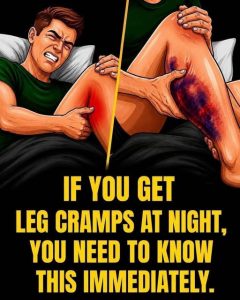
Waking up suddenly in the middle of the night with a painful muscle cramp can be an unpleasant and sometimes frightening experience. One moment you are asleep, and the next, a muscle in your calf, foot, or thigh suddenly tightens and refuses to relax. The pain can be intense, and although the cramp may last only a few seconds or minutes, the muscle can remain sore afterward.
Nighttime muscle cramps, sometimes called nocturnal leg cramps, are common, particularly in the calves and feet. They can happen to people of many ages and may occur occasionally or repeatedly. In most cases, they are not dangerous, but frequent or severe cramps can sometimes be associated with medications, underlying medical conditions, or other factors that deserve attention.
Understanding what causes nighttime cramps—and what you can do when one occurs—can make these episodes easier to manage.
What Exactly Is a Night Cramp?
A muscle cramp is a sudden, involuntary contraction of a muscle. Instead of relaxing normally, the muscle becomes tight and painful.
Night cramps most commonly affect the calf muscles, but they can also occur in the feet, thighs, or other parts of the legs. They are different from restless legs syndrome, which usually produces an urge to move the legs rather than a sudden, painful contraction.
A cramp may last anywhere from several seconds to several minutes. Afterward, the affected muscle may feel tender or fatigued.
Why Do Night Cramps Happen?
There is not always one clear explanation. In many people, nighttime leg cramps are considered idiopathic, meaning they occur without a specific identifiable cause.
However, several factors may increase the likelihood of experiencing them.
1. Muscle Fatigue and Overuse
Using your muscles more than usual can contribute to cramping. A long walk, intense workout, standing for extended periods, or unfamiliar physical activity may leave muscles tired.
When muscles become fatigued, they may be more likely to contract involuntarily, particularly when the body is resting afterward.
This is one reason cramps sometimes appear at night after an unusually active day.
2. Prolonged Sitting or Standing
Spending long periods in one position may also contribute. People who sit at a desk for much of the day, stand for work, or have limited movement may experience more frequent leg discomfort.
Regular movement throughout the day can help keep muscles flexible and active.
3. Dehydration
Not drinking enough fluids may contribute to muscle cramping, particularly when fluid losses are significant because of sweating, exercise, vomiting, or diarrhea.
However, it is important not to assume that every cramp is caused by dehydration. Drinking excessive amounts of water or taking electrolyte supplements without a reason is not necessarily helpful.
The goal is adequate, balanced hydration.
4. Mineral and Electrolyte Imbalances
Electrolytes such as potassium, calcium, and magnesium play important roles in normal muscle and nerve function.
Significant deficiencies or imbalances can contribute to muscle spasms and cramps. These problems may occur because of certain illnesses, medications, nutritional deficiencies, or substantial fluid loss.
That does not mean everyone with night cramps needs magnesium or potassium supplements. Taking supplements without identifying a deficiency can be unnecessary and, in some circumstances, harmful.
If cramps are persistent, a healthcare professional can determine whether testing is appropriate.
5. Pregnancy
Leg cramps are common during pregnancy, especially later in pregnancy. Changes in circulation, increased physical demands, and other physiological changes may contribute.
Pregnant people experiencing frequent or severe cramps should discuss them with their healthcare provider, particularly if cramps are accompanied by swelling, redness, warmth, or significant pain.
6. Certain Medications
Some medications can increase the likelihood of muscle cramps in certain people. Examples can include some medicines used for blood pressure, cholesterol, asthma, or other conditions.
If nighttime cramps began after starting a new medication, do not stop taking it on your own. Instead, discuss the symptom with the prescribing clinician or pharmacist.
A medication adjustment may sometimes be appropriate.
7. Underlying Health Conditions
Occasionally, frequent muscle cramps can be associated with conditions affecting nerves, circulation, muscles, metabolism, or other body systems.
Examples may include certain neurological disorders, kidney problems, diabetes-related nerve damage, thyroid disorders, and circulation problems.
Most nighttime cramps are not caused by a serious disease, but persistent or unusual symptoms should not simply be ignored.
What Should You Do When a Cramp Happens?
When a cramp strikes during the night, several simple techniques may help the muscle relax.
Gently Stretch the Muscle
For a calf cramp, straighten the affected leg and gently pull your toes toward your face.
Another option is to stand up carefully and place weight on the affected leg while gently stretching the calf.
Avoid aggressive stretching or sudden movements. The goal is gradual relaxation rather than forcing the muscle.
Massage the Area
Gently massaging the cramped muscle may help it relax. Use slow movements and avoid pressing so hard that you increase the pain.
Apply Heat
A warm shower, heating pad, or warm towel may help relax a tight muscle.
If using a heating pad, avoid falling asleep with it against your skin, as prolonged heat can cause burns.
Try Gentle Movement
Once the worst of the cramp has passed, walking slowly around the room can sometimes help restore normal muscle movement.
Afterward, give the muscle time to recover if it remains sore.
How Can You Prevent Night Cramps?
Prevention is not always possible, but several habits may reduce the frequency of cramps.
Stay Adequately Hydrated
Drink fluids regularly throughout the day, especially when you are physically active or exposed to hot conditions.
Your hydration needs vary depending on your activity level, environment, diet, and health.
Stretch Before Bed
Gentle calf and hamstring stretches before going to sleep may be helpful for some people who experience recurring nighttime cramps.
Try holding a comfortable stretch for several seconds without bouncing or forcing the muscle.
Consistency may matter more than intensity.
Keep Your Legs Moving
If you spend much of the day sitting, get up periodically and walk around. Gentle movement can help prevent stiffness.
Likewise, if your job requires prolonged standing, changing positions and taking brief opportunities to move may help.
Gradually Increase Exercise
If you are starting a new workout routine, increase activity gradually instead of suddenly doing much more than your body is accustomed to.
Warm up before vigorous exercise and allow your muscles adequate recovery afterward.
Review Your Medications
If cramps began after starting a medication, speak with your doctor or pharmacist. They can determine whether the medicine might be contributing and whether an alternative or adjustment is appropriate.
Never discontinue prescription medication without medical advice.
What About Magnesium Supplements?
Magnesium is often promoted as a solution for nighttime leg cramps, but the evidence is mixed, and magnesium supplementation does not reliably prevent ordinary nighttime cramps in everyone.
Magnesium can be useful when someone has a genuine deficiency or in certain specific circumstances, but taking large amounts without medical guidance is not a good strategy.
Supplements can cause side effects and may interact with medications or be inappropriate for people with certain medical conditions.
Before taking magnesium, potassium, calcium, or other supplements specifically for cramps, consider discussing the issue with a healthcare professional.
When Should You See a Doctor?
Occasional nighttime cramps are usually not a reason for alarm. However, it is worth seeking medical advice if cramps are frequent, severe, worsening, repeatedly interrupt your sleep, or do not improve with simple measures.
You should also discuss persistent cramps with a healthcare professional if you have other symptoms, such as muscle weakness, numbness, significant swelling, changes in skin color, or difficulty walking.
Sudden leg pain accompanied by significant swelling, redness, warmth, or other concerning symptoms should receive prompt medical evaluation because not every painful leg symptom is a simple muscle cramp.
Similarly, severe symptoms involving chest pain or difficulty breathing require urgent medical attention.
The Bottom Line
Nighttime muscle cramps can be painful, but they are often manageable. Common contributors include muscle fatigue, prolonged inactivity, dehydration, pregnancy, certain medications, and occasionally nutritional or medical problems.
When a cramp occurs, gentle stretching, massage, warmth, and careful movement can help the muscle relax. For prevention, focus on regular movement, adequate hydration, sensible exercise, and gentle stretching.
Most importantly, do not assume that every cramp requires a supplement. If cramps are persistent or significantly affecting your sleep and quality of life, identifying the underlying cause is more useful than simply treating the symptom.
Your body often provides clues when something needs attention. Listening to those signals—and seeking professional advice when symptoms persist—is one of the simplest ways to protect your health and keep occasional nighttime discomfort from becoming a recurring problem.