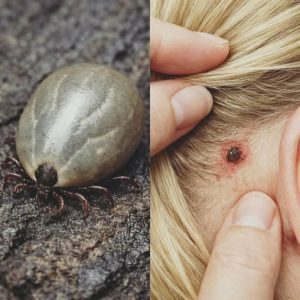
Found a Weird Bug in Your Child’s Hair? Important Info for Parents
Finding a tiny, unfamiliar bug in your child’s hair can be an alarming experience. One moment, you are helping your child get ready for school, brushing their hair, or preparing them for bed. The next, you notice something moving near the scalp.
Your first thoughts might be:
“Is that a head louse?”
“Could my child have an infestation?”
“Do I need to rush to the doctor?”
“Can this spread to the rest of the family?”
These are understandable questions. Parents naturally want to protect their children, and discovering an unfamiliar insect in their hair can create worry.
However, the most important thing to remember is that not every bug or white speck found in hair is a head louse. Some things can look similar, and identifying what you have found is the first step toward knowing what to do next.
If the insect is a head louse, there are effective treatments available. The key is to stay calm, check carefully, and avoid using potentially harmful home remedies.
Here is what parents should know.
1. What Could That Weird Bug Be?
One of the most common explanations for a small insect found in a child’s hair is head lice.
Head lice are tiny parasitic insects that live on the human scalp and feed on blood. Adult lice are approximately the size of a sesame seed, making them small but sometimes visible to the naked eye.
They can be grayish, tan, or other shades depending on their appearance and surroundings.
Head lice are especially common among preschool- and elementary-school-age children. They can affect children regardless of how clean their hair or home is.
But there are other possibilities.
A speck in the hair could be dandruff, dirt, a hair-product residue, or another small insect. A white or yellowish object attached to a hair shaft could also be a nit, which is a head-lice egg.
The important distinction is that seeing something unusual does not automatically prove an active lice infestation.
Parents should look for a living crawling louse or ask a healthcare professional for help if they are unsure.
2. What Do Head Lice Look Like?
Head lice are small and can move quickly, which makes them difficult to spot.
Adult lice are generally about 2–3 millimeters long. They have six legs and are adapted to grip human hair.
Their eggs, called nits, are often easier to notice than the insects themselves.
Nits are attached firmly to individual hairs, usually close to the scalp. They may appear white, yellowish, or grayish.
Common places to check include:
- Behind the ears.
- Along the hairline at the back of the neck.
- Close to the scalp.
- Around areas where the hair is thick.
Dandruff, by comparison, is usually loose and can often be brushed or shaken from the hair.
Nits are more firmly attached and do not simply fall away like ordinary flakes.
However, appearance alone can be misleading.
A child may have old, empty egg casings in the hair without an active infestation. This is why finding a live crawling louse is especially important when confirming head lice.
3. Does an Itchy Head Always Mean Lice?
Itching is one of the most common symptoms of head lice.
A child may scratch their scalp frequently, complain that something is moving in their hair, or have difficulty sleeping because of the irritation.
But itching does not always mean lice.
Dry skin, dandruff, allergies, eczema, and other scalp conditions can also cause itching.
Some children with head lice have no noticeable symptoms, especially during a first infestation.
According to the Centers for Disease Control and Prevention, itching may take several weeks to appear after someone first becomes infested.
That means a child can have lice without immediately complaining about an itchy scalp.
If your child has persistent itching, carefully inspect the scalp and hair. If you cannot determine the cause, a healthcare professional can help.
4. How Do Children Get Head Lice?
Head lice mainly spread through direct hair-to-hair contact.
Children often play closely together at school, during sleepovers, on playgrounds, or at home. When their hair touches the hair of someone who has lice, the insects can crawl from one head to another.
Head lice cannot jump or fly.
They move by crawling.
This is why close contact is the most common way they spread.
Lice can also occasionally spread through shared items such as:
- Hats.
- Hairbrushes.
- Combs.
- Towels.
- Hair accessories.
- Clothing that has recently been used by someone with lice.
However, transmission through household furniture, carpets, and other objects is much less common than direct hair-to-hair contact.
Parents do not need to panic and deep-clean every part of the home.
Head lice generally survive only a short time away from a human scalp because they need blood to survive.
5. Is It a Sign of Poor Hygiene?
Absolutely not.
This is one of the most important things every parent should understand.
Head lice are not caused by dirty hair, a messy house, or poor parenting.
Children with clean hair can get lice.
Children from carefully maintained homes can get lice.
Adults can get lice too.
The insects do not choose people based on wealth, cleanliness, or personal habits.
If your child has head lice, it does not mean you have done anything wrong.
It also does not mean your home is dirty.
The best response is practical: confirm the infestation, treat it correctly, and help prevent it from spreading.
There is no reason to shame a child or make them feel embarrassed.
Lice are a common childhood problem, and they can be managed.
6. What Should You Do If You Find a Bug?
If you notice something unusual in your child’s hair, try not to panic.
Start by examining the hair in good lighting.
A fine-toothed lice comb may help you find crawling lice.
Part the hair into small sections and inspect close to the scalp, particularly behind the ears and near the back of the neck.
Look for:
- Moving insects.
- Small eggs firmly attached to hair shafts.
- Scratching or irritation.
- Signs of an active infestation.
If you find a live crawling louse, contact your child’s healthcare provider or pharmacist for guidance on an appropriate treatment.
If you are unsure what you have found, ask a healthcare professional before applying lice medicine.
This is especially important for young children.
Not every product is suitable for every age group, and treatment instructions must be followed carefully.
7. How Are Head Lice Treated?
Head lice can be treated with over-the-counter or prescription medications.
The right treatment depends on the child’s age, the product, and whether the medication kills both live lice and their eggs.
Some treatments kill live lice but do not kill all unhatched eggs. In those cases, a second treatment may be needed according to the product instructions.
Other treatments may kill both lice and eggs.
Parents should never assume that one application is always enough.
Always read the product label carefully.
Do not use extra medicine because you think it will work faster.
Do not combine different lice medications unless a healthcare professional tells you to.
Do not use products intended for animals.
And never use dangerous substances such as gasoline or kerosene on a child’s hair.
These can cause serious harm.
If your child is very young, has a scalp condition, or you are uncertain about which treatment to use, speak with a healthcare provider before beginning treatment.
8. What About Removing the Eggs?
Even after successful treatment, some nits may remain attached to the hair.
A fine-toothed nit comb can help remove lice and eggs.
Parents may need to check the hair every few days for a couple of weeks, depending on the treatment instructions and medical advice.
Combing carefully can help identify whether live lice remain.
It is important to remember that not every nit is active.
Eggs located farther away from the scalp may be old, hatched, or dead.
This is another reason why careful inspection matters.
If you continue to find live crawling lice after treatment, contact your healthcare provider. The problem may involve incorrect application, resistance to the medication, or reinfestation.
Do not repeatedly apply different products without professional guidance.
9. Should Your Child Stay Home From School?
Many parents worry that a child with head lice must immediately leave school or remain home for several days.
According to CDC guidance, children with head lice do not need to be sent home early. They can go home at the end of the school day, begin appropriate treatment, and return to class afterward.
Schools may have their own procedures, so parents should follow local school guidance.
It is also important to notify the school nurse or relevant staff when appropriate, so they can help reduce further spread.
Head lice are a nuisance, but they are not known to transmit disease.
A child with lice should be treated with care and respect, not embarrassment.
10. How Can Parents Help Prevent Spread?
The best prevention strategy is to reduce close hair-to-hair contact.
Teach children not to press their heads together during play or other activities.
Avoid sharing:
- Combs and brushes.
- Hats and scarves.
- Hair ribbons and accessories.
- Towels.
- Items that touch the hair.
If one family member has lice, check other household members and close contacts.
People who have live lice should receive appropriate treatment.
It is not necessary to spend excessive amounts of money on housecleaning.
Wash and dry clothing, bedding, and towels used during the two days before treatment according to CDC guidance. Items that cannot be washed can be sealed in a plastic bag for two weeks.
Combs and brushes can be soaked in hot water of at least 130°F (about 54°C) for 5–10 minutes.
Avoid using fumigant sprays or fogs. They are unnecessary and can be toxic.
11. When Should You Contact a Doctor?
Parents should seek professional advice when they are unsure whether their child has lice.
Contact a healthcare provider if:
- You cannot identify the insect.
- Your child is very young.
- The scalp has open sores, pus, or signs of infection.
- Itching or a rash continues after treatment.
- Live lice remain after following treatment instructions.
- You are unsure whether another application of medicine is needed.
- Your child has a medical condition that affects treatment choices.
Scratching can sometimes damage the skin and lead to bacterial infection.
If your child develops painful sores, spreading redness, fever, or other concerning symptoms, seek medical advice promptly.
12. The Most Important Message for Parents
Finding a strange bug in your child’s hair can be frightening.
But the right response is not panic.
It is patience, careful checking, and safe action.
Head lice are common. They are treatable. They do not mean your child is dirty, unhealthy, or being neglected.
If you find a bug, take a closer look.
If you find live lice, follow appropriate treatment instructions.
If you are unsure, ask a healthcare professional.
And above all, reassure your child.
A child who has lice may already feel embarrassed or worried about what other children might say.
They need support, not blame.
They need to know that this is a problem that can be managed.
Final Thoughts
A tiny insect in your child’s hair may look like a major emergency, but head lice are usually manageable with the right approach.
The most important steps are:
Check carefully. Confirm the cause. Treat safely. Prevent spread. Ask for help when needed.
Do not rely on dangerous home remedies.
Do not use extra medication.
Do not assume every white speck is a nit.
And do not blame your child.
With patience and the right information, parents can help their children get through a lice infestation safely and confidently.
Your child needs your calm, caring support more than anything else.