CHiPs in 1980: The Stars Behind the Iconic California Highway Patrol Uniforms
The television series CHiPs became one of the most recognizable police dramas of the late 1970s and early 1980s. Combining highway patrol action, lighthearted comedy, dramatic rescues, and memorable characters, the show entertained millions of viewers and helped turn its leading actors into familiar faces across America.
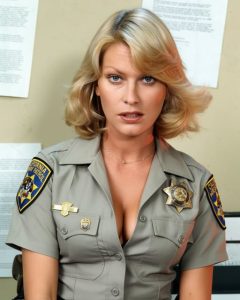
A photograph showing a blonde woman wearing a California Highway Patrol-style uniform has recently prompted renewed interest in the series and its cast. While the photograph alone is not enough to confirm the woman’s identity, it offers an opportunity to revisit the actresses and actors who helped make CHiPs a television favorite in 1980.
The series was known for its distinctive uniforms, motorcycle patrols, California highways, and stories about officers protecting motorists. More than four decades later, its combination of action and nostalgia continues to attract classic television fans.
The Television Show That Made Highway Patrol Officers Famous

CHiPs premiered on NBC in September 1977. Created by Rick Rosner, the series followed California Highway Patrol officers as they handled traffic accidents, dangerous drivers, criminal investigations, and emergencies along Southern California’s busy highways.
The title CHiPs referred to the California Highway Patrol, whose officers are commonly known as CHP officers. The show’s premise allowed the writers to combine police work with action sequences and stories about everyday people in trouble.
Unlike some crime dramas that concentrated on dark investigations and serious criminal cases, CHiPs often balanced suspense with humor. Episodes could feature motorcycle chases, highway pileups, rescues, and complicated traffic situations, followed by lighter conversations between colleagues.
This balance helped the program reach a broad audience. Families could enjoy the action, while viewers who liked police dramas could follow the officers’ work and relationships.
The California setting also became part of the show’s identity. Sunny highways, distinctive patrol motorcycles, and the uniforms worn by the officers helped establish an immediately recognizable visual style.
The Leading Stars Who Defined CHiPs

Two actors became particularly associated with the program: Erik Estrada and Larry Wilcox.
Estrada played Officer Francis “Frank” Poncherello, commonly called Ponch. His character was energetic, confident, and occasionally impulsive. Ponch frequently found himself in amusing situations, but he was also a capable officer who took his responsibilities seriously.
Wilcox played Officer Jonathan “Jon” Baker. Jon was generally portrayed as thoughtful, steady, and disciplined. The contrast between the two characters created much of the show’s appeal.
Their partnership was central to the series. Ponch’s adventurous personality often complemented Jon’s more measured approach, allowing the writers to create stories that combined comedy, friendship, and danger.
The actors’ performances helped establish CHiPs as a recognizable part of American television culture. Their characters became closely associated with motorcycle patrols and the image of the California Highway Patrol during the show’s original run.
Although the series featured many guest performers and supporting cast members, the partnership between Ponch and Jon remained its defining feature.
The Women of CHiPs and Their Memorable Roles

Although Ponch and Jon were the main attractions, the women who appeared in CHiPs also contributed to the show’s popularity. Female officers and guest characters brought different personalities and experiences to the stories, helping the series portray a wider range of people working in and around law enforcement.
One actress associated with the series was Randi Oakes, who played Officer Bonnie Clark. She became a familiar face to viewers during the show’s later seasons and appeared alongside the established cast.
Another actress associated with the program was Brianne Leary, who played Officer Sindy Cahill during the earlier part of the series. Her character was among the women who helped establish a place for female officers in the show’s fictional patrol world.
The presence of women in law-enforcement roles was notable for a popular action series of that era. Although the program often focused on male partnerships, female characters also appeared in stories involving patrol duties, teamwork, and public safety.
It is important to distinguish between the show’s actual cast members and photographs circulating online today. Images may be edited, recreated, incorrectly captioned, or taken from unrelated productions. Without reliable information about the photograph’s original source, its subject cannot be confirmed simply from the uniform.
Why the Uniform Became So Recognizable
The California Highway Patrol uniform was an essential part of CHiPs’ visual identity. The show’s gray shirts, shoulder patches, badges, and dark trousers helped viewers immediately recognize the officers.
The uniforms also made the program feel connected to a recognizable profession rather than an entirely fictional police organization. The California Highway Patrol is a real state law-enforcement agency responsible for traffic safety and other duties.
For television audiences, the uniform represented authority, responsibility, and the promise of help when motorists encountered trouble. A stranded driver, an accident victim, or someone facing a dangerous situation could turn to an officer for assistance.
At the same time, the uniforms became a familiar feature of promotional photographs and publicity materials. Cast members were frequently photographed in character, and these images later became popular among collectors and fans of vintage television.
Today, photographs of actors wearing the show’s uniforms can evoke memories of watching CHiPs during its original broadcast years.
What Made the 1980 Era Special?
By 1980, CHiPs had already established itself as a successful television series. Its fourth season aired during the 1979–1980 television season, and the program continued to deliver the mixture of action, humor, and friendship that audiences expected.
The stories reflected a world in which motorcycles and patrol cars were essential tools for monitoring traffic and responding to emergencies. Officers frequently encountered dangerous road conditions, reckless drivers, and accidents that required quick decisions.
The show also explored the human side of police work. Officers sometimes helped frightened children, assisted families after accidents, or encountered people whose problems went beyond traffic violations.
These moments gave the characters a dimension beyond their professional duties. Viewers could see them as colleagues and friends who occasionally disagreed but ultimately worked together.
The program’s relatively accessible tone was another important element of its appeal. Although the stories included danger, the show often avoided the relentlessly grim atmosphere associated with some later police dramas.
Life Behind the Cameras
Television production in the late 1970s and early 1980s required actors to work within demanding schedules. Action series could involve outdoor filming, motorcycles, vehicles, stunt performers, and complicated coordination between production teams.
For CHiPs, the highways and California locations were central to the show’s appearance. Motorcycle sequences and simulated accidents required careful planning to create excitement while protecting performers and crew members.
The actors also had to make their characters believable across many different types of stories. One episode might demand a serious emotional performance, while another required physical comedy or an action sequence.
The show’s long run gave its regular performers opportunities to develop familiar characters over time. Audiences came to recognize the characters’ habits, friendships, and personalities, making the series feel like a continuing story rather than a collection of unrelated episodes.
The supporting cast and guest performers were equally important. Their appearances helped make each episode feel different while maintaining the recognizable atmosphere of the series.
Where Are the CHiPs Stars Today?

The passage of time has not erased the show’s place in television history. Its leading actors have pursued different paths since the original series ended.
Erik Estrada has remained associated with Ponch and has continued to appear at fan events and in other entertainment projects. Larry Wilcox has also remained connected to the series through interviews, reunions, and his wider career.
Randi Oakes became known for her work on CHiPs and other television appearances before stepping away from regular acting work. Brianne Leary also moved on to other professional interests after her time on the program.
Their different experiences illustrate how an acting career can develop in many directions. Some performers remain active in entertainment for decades, while others prefer to pursue opportunities outside the industry.
For fans, however, the performances that made these actors recognizable remain available through reruns, home video releases, and online discussions about classic television.
The Lasting Legacy of CHiPs
The original series ran for six seasons, ending in 1983. Its influence can still be seen in the affection viewers have for its characters, theme music, motorcycles, and distinctive California setting.
The show’s appeal extended beyond police action. It celebrated teamwork, friendship, and the idea that public service often involves helping people during ordinary but difficult moments.
Its lighthearted approach also distinguished it from many modern crime dramas. Rather than concentrating exclusively on investigations and criminal behavior, CHiPs often presented the highway patrol as a place where humor and human connection could coexist with serious responsibilities.
For viewers who grew up watching the show, a photograph of an actor in the familiar uniform can bring back memories of Saturday television, family viewing, and the excitement of the series’ highway rescues.
For younger audiences, the program offers a glimpse into the style and storytelling of American television during a different era.
Final Thoughts
The question of which CHiPs star appears in a particular 1980 uniform photograph is understandable, especially for fans who recognize the show’s distinctive costumes. However, the image by itself does not establish the subject’s identity.
What can be said with confidence is that CHiPs featured several memorable performers, including Erik Estrada, Larry Wilcox, Randi Oakes, and Brianne Leary. Their work helped make the series an enduring part of television history.
Ultimately, the show’s legacy rests on more than its uniforms or publicity photographs. It comes from the characters, performances, action sequences, and friendships that kept audiences returning week after week.
Decades after its original broadcast, CHiPs remains a nostalgic favorite—a reminder of a time when a pair of motorcycle officers could turn everyday highway patrol duties into entertaining television.