Viral “Iran Will Strike America Tonight” Claim Spreads Online, but No Verified Evidence Supports It
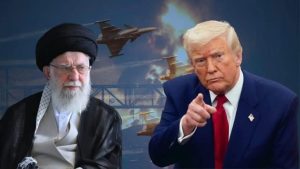
A dramatic social media post claiming that Iran is preparing to launch an attack on the United States “tonight” has spread rapidly across multiple online platforms, generating concern and thousands of shares within hours. Accompanied by an eye-catching composite image featuring Iran’s Supreme Leader, former U.S. President Donald Trump, military aircraft, and explosions, the post urges readers to believe that an attack is imminent and suggests it will begin in a specific U.S. state.
Despite the alarming language, there is currently no verified evidence supporting the claim.
Experts who study misinformation say posts like these are common during periods of international tension. Sensational headlines often rely on emotionally charged wording such as “urgent,” “breaking,” “maximum alert,” or “tonight” to encourage users to click, share, and comment before checking whether the information has been confirmed.
The image itself does not prove that an attack is about to occur. It appears to be a digitally composed graphic rather than a photograph documenting a real event. Images of political leaders are combined with dramatic scenes of fighter jets and explosions to create a sense of crisis, but visual design alone cannot establish the truth of a claim.
When evaluating reports involving military conflict or national security, it is important to distinguish between verified reporting, official statements, and unverified social media rumors. Claims of an imminent attack on the United States would typically be accompanied by announcements or warnings from government agencies and would be extensively reported by multiple established news organizations.
False rumors can spread especially quickly during periods of geopolitical tension because they appeal to fear and uncertainty. Social media algorithms may amplify highly emotional content regardless of whether it is accurate, allowing misleading posts to reach millions of people before fact-checkers or journalists have an opportunity to investigate them.
Security analysts recommend approaching extraordinary claims with caution. Instead of relying on anonymous posts or dramatic images, readers should seek confirmation from several independent and credible sources. If a claim cannot be corroborated, it should be treated as unverified rather than accepted as fact.
The wording of the viral post also raises several warning signs commonly associated with misinformation. It promises urgent, exclusive information without identifying a source, provides no supporting evidence, and encourages an immediate emotional reaction. These characteristics are frequently found in misleading posts designed to maximize engagement.
Military experts note that large-scale attacks between nation-states are complex operations involving logistics, intelligence, and strategic planning. Reports of such events are rarely based solely on anonymous social media messages. Governments continuously monitor security threats, and any credible indication of an imminent attack would likely trigger coordinated public communication from appropriate authorities.
This does not mean international tensions should be ignored. Conflicts around the world can evolve rapidly, and governments regularly assess changing security conditions. However, concern should be based on verified developments rather than unsupported viral claims.
For members of the public, the best approach is to remain informed through reliable journalism and official emergency communications rather than sensational online posts. Sharing unverified claims can unintentionally contribute to confusion and unnecessary public anxiety.
As with many viral stories involving war or national security, the most responsible response is patience. Waiting for confirmation from multiple trustworthy sources helps prevent misinformation from spreading further and allows people to make decisions based on evidence instead of speculation.
At this time, the available information does not support the assertion that Iran has announced or begun an attack on the United States “tonight” or that any particular U.S. state is the starting point of such an operation. Until credible evidence emerges from authoritative sources, the claim should be regarded as unverified, and readers should be cautious about accepting or sharing it as fact.