Last Chance at the Strait (A Fictional Political Thriller) The Situation Room was unusually quiet. Large digital maps glowed across the walls, displaying shipping routes through one of the world’s most strategically important waterways. Every few seconds, new intelligence reports appeared on the screens as analysts updated the latest maritime movements. President Jonathan Hayes stood with folded arms, staring at the narrow stretch of water that carried millions of barrels of oil every day. “If this route remains closed,” one economic adviser warned, “the effects will reach every continent.” Fuel prices had already begun climbing. Insurance companies refused to cover commercial tankers entering the region. Cargo vessels waited hundreds of miles away, unwilling to risk sailing into uncertain waters. Global markets were growing increasingly nervous. Thousands of miles away, senior officials inside another government gathered around their own conference table. Military commanders argued that showing weakness would encourage additional pressure from foreign powers. Diplomats urged caution. Economists presented alarming projections showing how continued instability threatened both regional commerce and domestic industries. The debate stretched late into the night. No one wanted war. But no one wanted to appear weak either. Meanwhile, ordinary people felt the consequences long before politicians reached any agreement. Truck drivers watched diesel prices climb. Airlines quietly adjusted ticket prices. Factories worried about delayed shipments. Fishing communities wondered whether naval activity would spread into waters they depended upon. For millions of families, an international dispute unfolding thousands of miles away suddenly became personal. World leaders began calling one another almost hourly. Secure video conferences connected capitals across Europe, Asia, North America, and the Middle East. Each government had different priorities. Some wanted stronger economic pressure. Others believed only direct negotiations could prevent further escalation. Several neutral nations volunteered to host emergency peace talks. At an undisclosed location, negotiators finally met. The atmosphere remained tense. No cameras were allowed. No public statements were issued. Only handwritten notes and carefully prepared proposals crossed the polished conference table. Hours passed without meaningful progress. Then one delegate proposed a temporary humanitarian maritime corridor allowing commercial cargo to resume under international monitoring. It wasn’t a complete solution. But it represented movement. Outside the conference center, journalists from around the world waited for any sign of progress. Rumors spread constantly. One anonymous source claimed an agreement was imminent. Another insisted negotiations had completely collapsed. Financial markets reacted to every unconfirmed report. Experts reminded audiences that diplomacy often moved slowly, and dramatic headlines rarely reflected the complexity of international negotiations. As talks continued, naval commanders received strict instructions to avoid unnecessary confrontations. Communication hotlines remained open between opposing forces. Every captain understood that one misunderstanding could rapidly transform a political crisis into a military one. Professional restraint became as important as military strength. Energy ministers from dozens of countries met virtually to discuss emergency contingency plans. Alternative shipping routes were evaluated. Strategic fuel reserves were reviewed. Governments coordinated efforts to reduce the economic shock if the disruption continued for weeks. Businesses appreciated the preparation, even while hoping it would never be needed. Late on the fourth day, negotiators returned to the table carrying revised proposals. Compromise remained difficult. Each side wanted guarantees. Each side feared appearing to surrender. Experienced diplomats focused on small areas of agreement rather than the larger disputes. Progress came one paragraph at a time. Finally, shortly after sunrise, representatives emerged before reporters. No permanent peace had been achieved. Major disagreements remained unresolved. However, both sides announced a temporary framework designed to reduce tensions while broader negotiations continued. Commercial vessels would gradually resume transit under internationally coordinated safety measures. Military commanders would maintain direct communication channels. Additional meetings were scheduled. Markets responded immediately. Oil prices eased. Shipping companies cautiously prepared to restart delayed voyages. Business leaders welcomed the development while acknowledging that uncertainty remained. Political commentators debated who had gained the greatest advantage. Some declared the negotiations a diplomatic victory. Others argued each side had merely postponed more difficult decisions. Citizens, meanwhile, cared less about political narratives than practical results. If supply chains stabilized and prices stopped rising, many considered that progress worth celebrating. International relations scholars later described the crisis as a reminder of how interconnected the modern world had become. A dispute in one strategically important region affected transportation, manufacturing, agriculture, tourism, and financial markets across the globe. The events demonstrated that diplomacy, while often frustratingly slow, remained one of humanity’s most valuable tools. Negotiations rarely produced perfect outcomes. They required patience, compromise, and persistence. Yet history repeatedly showed that conversations across a table were far less costly than conflicts across a battlefield. As ships cautiously resumed their journeys and families around the world returned to more ordinary concerns, leaders continued meeting behind closed doors. The crisis had not disappeared. Neither had the disagreements. But the immediate danger had eased, providing time for diplomacy to accomplish what force alone rarely could: creating space for lasting solutions.
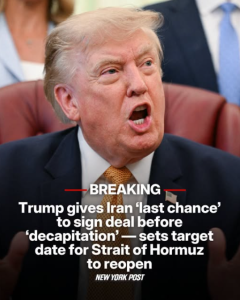


Last Chance at the Strait (A Fictional Political Thriller)

The Situation Room was unusually quiet.

Large digital maps glowed across the walls, displaying shipping routes through one of the world’s most strategically important waterways. Every few seconds, new intelligence reports appeared on the screens as analysts updated the latest maritime movements.

President Jonathan Hayes stood with folded arms, staring at the narrow stretch of water that carried millions of barrels of oil every day.

“If this route remains closed,” one economic adviser warned, “the effects will reach every continent.”

Fuel prices had already begun climbing.

Insurance companies refused to cover commercial tankers entering the region.

Cargo vessels waited hundreds of miles away, unwilling to risk sailing into uncertain waters.

Global markets were growing increasingly nervous.


Thousands of miles away, senior officials inside another government gathered around their own conference table.

Military commanders argued that showing weakness would encourage additional pressure from foreign powers.

Diplomats urged caution.

Economists presented alarming projections showing how continued instability threatened both regional commerce and domestic industries.

The debate stretched late into the night.

No one wanted war.

But no one wanted to appear weak either.


Meanwhile, ordinary people felt the consequences long before politicians reached any agreement.

Truck drivers watched diesel prices climb.

Airlines quietly adjusted ticket prices.

Factories worried about delayed shipments.

Fishing communities wondered whether naval activity would spread into waters they depended upon.

For millions of families, an international dispute unfolding thousands of miles away suddenly became personal.


World leaders began calling one another almost hourly.

Secure video conferences connected capitals across Europe, Asia, North America, and the Middle East.

Each government had different priorities.

Some wanted stronger economic pressure.

Others believed only direct negotiations could prevent further escalation.

Several neutral nations volunteered to host emergency peace talks.


At an undisclosed location, negotiators finally met.

The atmosphere remained tense.

No cameras were allowed.

No public statements were issued.

Only handwritten notes and carefully prepared proposals crossed the polished conference table.

Hours passed without meaningful progress.

Then one delegate proposed a temporary humanitarian maritime corridor allowing commercial cargo to resume under international monitoring.

It wasn’t a complete solution.

But it represented movement.


Outside the conference center, journalists from around the world waited for any sign of progress.

Rumors spread constantly.

One anonymous source claimed an agreement was imminent.

Another insisted negotiations had completely collapsed.

Financial markets reacted to every unconfirmed report.

Experts reminded audiences that diplomacy often moved slowly, and dramatic headlines rarely reflected the complexity of international negotiations.


As talks continued, naval commanders received strict instructions to avoid unnecessary confrontations.

Communication hotlines remained open between opposing forces.

Every captain understood that one misunderstanding could rapidly transform a political crisis into a military one.

Professional restraint became as important as military strength.


Energy ministers from dozens of countries met virtually to discuss emergency contingency plans.

Alternative shipping routes were evaluated.

Strategic fuel reserves were reviewed.

Governments coordinated efforts to reduce the economic shock if the disruption continued for weeks.

Businesses appreciated the preparation, even while hoping it would never be needed.


Late on the fourth day, negotiators returned to the table carrying revised proposals.

Compromise remained difficult.

Each side wanted guarantees.

Each side feared appearing to surrender.

Experienced diplomats focused on small areas of agreement rather than the larger disputes.

Progress came one paragraph at a time.


Finally, shortly after sunrise, representatives emerged before reporters.

No permanent peace had been achieved.

Major disagreements remained unresolved.

However, both sides announced a temporary framework designed to reduce tensions while broader negotiations continued.

Commercial vessels would gradually resume transit under internationally coordinated safety measures.

Military commanders would maintain direct communication channels.

Additional meetings were scheduled.

Markets responded immediately.

Oil prices eased.

Shipping companies cautiously prepared to restart delayed voyages.

Business leaders welcomed the development while acknowledging that uncertainty remained.


Political commentators debated who had gained the greatest advantage.

Some declared the negotiations a diplomatic victory.

Others argued each side had merely postponed more difficult decisions.

Citizens, meanwhile, cared less about political narratives than practical results.

If supply chains stabilized and prices stopped rising, many considered that progress worth celebrating.


International relations scholars later described the crisis as a reminder of how interconnected the modern world had become.

A dispute in one strategically important region affected transportation, manufacturing, agriculture, tourism, and financial markets across the globe.

The events demonstrated that diplomacy, while often frustratingly slow, remained one of humanity’s most valuable tools.

Negotiations rarely produced perfect outcomes.

They required patience, compromise, and persistence.

Yet history repeatedly showed that conversations across a table were far less costly than conflicts across a battlefield.

As ships cautiously resumed their journeys and families around the world returned to more ordinary concerns, leaders continued meeting behind closed doors.

The crisis had not disappeared.

Neither had the disagreements.

But the immediate danger had eased, providing time for diplomacy to accomplish what force alone rarely could: creating space for lasting solutions.