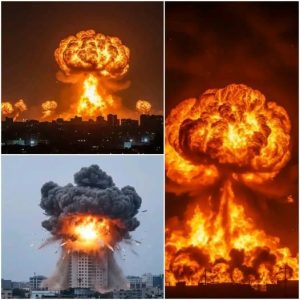
🚨BREAKING NEWS: “Maximum Worldwide Alert. The War Begins”
A wave of alarming posts claiming that “Maximum worldwide alert. The war begins” has spread rapidly across social media, sparking fear and confusion among millions. Dramatic headlines, edited videos, and unverified reports have fueled speculation that the world has entered a new global conflict. However, as of this moment, there is no official confirmation that a new world war has begun.
Military tensions remain high in several regions, and ongoing conflicts continue to evolve, but experts urge the public to distinguish between verified information and sensational online claims. Governments, international organizations, and defense analysts continue to monitor developments closely, while citizens are being encouraged to rely on official sources rather than viral rumors.
Rising Global Tensions
Several international flashpoints have contributed to growing anxiety over recent months. Regional conflicts involving missile strikes, drone attacks, and military deployments have intensified concerns that isolated confrontations could escalate into something much larger.
The Middle East remains particularly volatile. Exchanges between regional powers have raised fears of broader escalation, while international allies continue to call for restraint and diplomatic solutions. Elsewhere, the ongoing war in Ukraine continues to reshape global security, with NATO maintaining heightened readiness while emphasizing that it seeks to avoid direct military confrontation with Russia.
In Asia, military exercises around Taiwan and territorial disputes in the South China Sea continue to attract close international attention. Although these situations remain tense, diplomatic channels remain active.
Why Social Media Amplifies Panic
The phrase “Maximum Worldwide Alert” is designed to provoke an emotional response. Such wording often spreads rapidly because it creates urgency before facts can be verified.
Many viral videos combine unrelated footage from previous conflicts, military exercises, explosions, or natural disasters and present them as evidence of an unfolding global catastrophe. Artificial intelligence has also made it increasingly easy to create convincing but misleading videos and audio recordings.
Security experts recommend checking multiple reliable news organizations before accepting extraordinary claims as fact.
Military Readiness Does Not Mean War
Many countries routinely maintain high states of military preparedness. Aircraft patrols, naval deployments, and troop exercises are normal parts of defense planning and do not automatically indicate that a major war is imminent.
Governments frequently increase readiness during periods of international tension as a precaution rather than as preparation for offensive military action.
Military analysts note that deterrence—showing preparedness to discourage aggression—is a central part of modern defense strategy.
Economic Markets React
Even rumors of expanding conflict can affect financial markets.
Investors often move money toward traditionally safer assets during periods of uncertainty. Oil prices may rise if there are concerns about disruptions to energy supplies. Stock markets sometimes experience temporary declines as traders react to geopolitical developments.
Shipping companies, airlines, and insurance providers also monitor international tensions closely because instability can affect transportation routes and operating costs.
Calls for Diplomacy
The international community continues to emphasize diplomacy as the preferred path forward.
World leaders have repeatedly called for restraint, negotiations, and peaceful conflict resolution. International organizations remain engaged in efforts to prevent regional disputes from expanding into wider confrontations.
History has shown that communication between governments often helps prevent misunderstandings that could otherwise escalate.
Public Preparedness
Emergency management agencies generally encourage families to maintain basic preparedness regardless of current events.
Reasonable preparedness includes:
- Keeping several days of food and water.
- Maintaining necessary prescription medications.
- Having flashlights and batteries available.
- Keeping important documents accessible.
- Following official emergency information channels.
These recommendations apply to many emergencies, including severe weather, natural disasters, and infrastructure disruptions—not only military crises.
Avoiding Misinformation
Before sharing dramatic claims online, experts recommend asking several questions:
- Has the information been confirmed by multiple credible news organizations?
- Are government officials providing matching information?
- Does the video clearly show when and where events occurred?
- Is the headline using emotional language designed primarily to generate clicks?
Taking a few minutes to verify information can significantly reduce the spread of false reports.
What Would Indicate a Truly Global Conflict?
A genuine worldwide military conflict would likely involve several observable developments:
- Official declarations from multiple governments.
- Widespread mobilization of armed forces.
- Major disruptions to international transportation.
- Emergency meetings involving international organizations.
- Continuous confirmation from numerous independent news agencies.
Such events would be impossible to conceal and would receive extensive worldwide coverage from official sources.
Current Reality
Although international security remains fragile and several conflicts continue around the world, there is no verified evidence that a new global war has officially begun. Situations can change quickly, which is why following trusted news organizations and official government announcements is essential.
The spread of alarming phrases such as “Maximum Worldwide Alert” illustrates how easily fear can circulate online, particularly during periods of geopolitical uncertainty. Remaining informed through reliable reporting, rather than reacting immediately to viral posts, helps ensure that decisions are based on facts rather than speculation.
While tensions deserve careful attention, responsible reporting requires distinguishing confirmed developments from dramatic claims that lack evidence. Until credible authorities verify otherwise, headlines declaring that “the war begins” should be treated with caution rather than accepted as established fact.